Operating Model
One system, shared across products. Use this guide to find the right source, see how each product uses the system, and understand how design work is checked before release.
One source, many consumers
Frame Design System
Shared across products
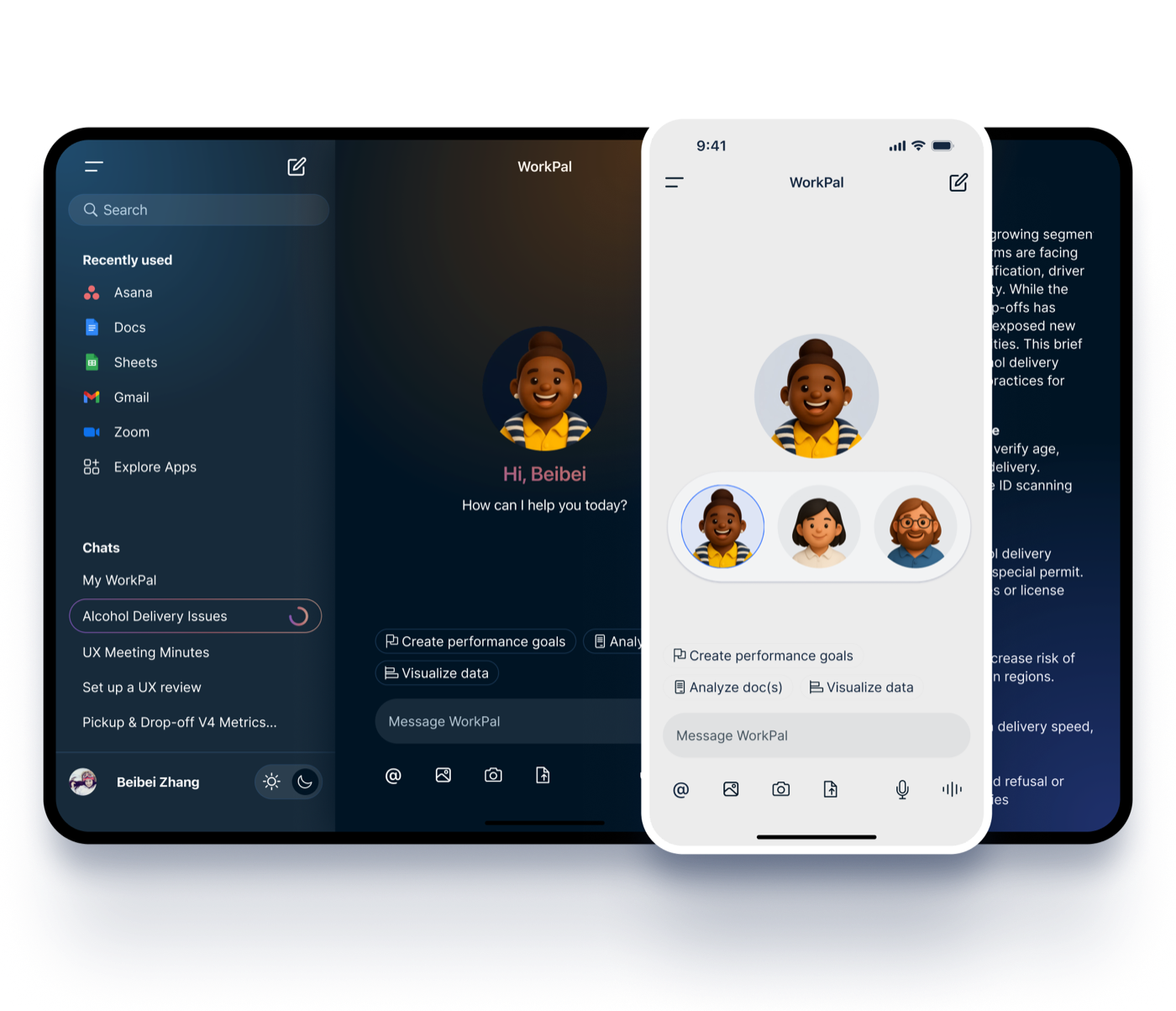
WorkPal (Workspace)
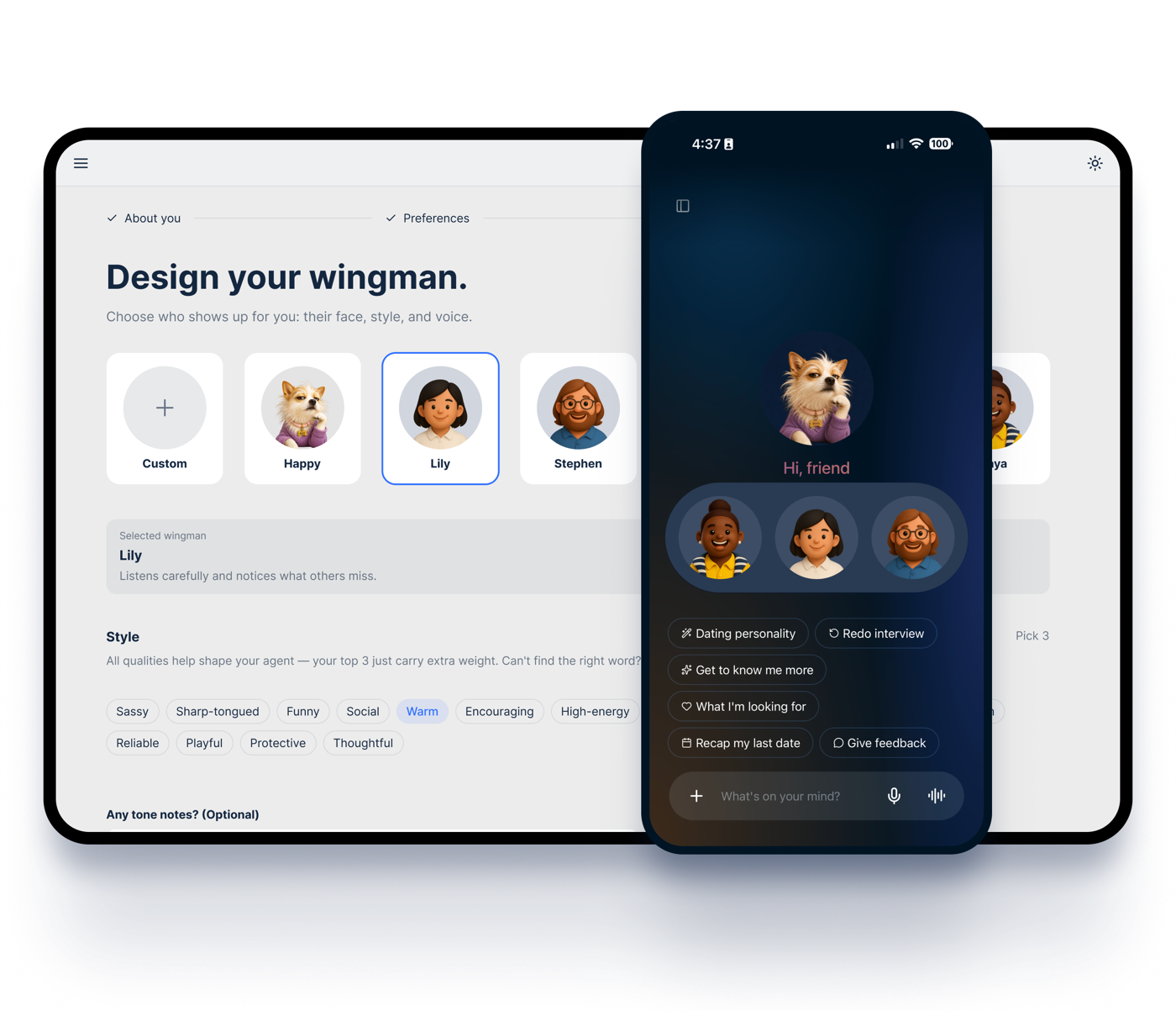
Wingman (Dating Space)
What the design system and products each own
Shared design system
- Design principles and shared documentation content
- Color, typography, spacing, radius, motion, and theme tokens
- Reusable primitives, promoted patterns, and their shared variants
- The company catalog examples that explain those shared definitions
Product code
WorkPal and Wingman directly use the shared components, layouts, and variants provided by packages/design-system; each product configures which ones to use and how they appear, then connects its own features, data, routing, and business logic.
How Codex and Claude Code execute design work
- Read the project-level
AGENTS.mdorCLAUDE.md, then the repository design guidance and applicable product specification. - Check the Component Library first and reuse a shared component wherever possible.
- If nothing fits, register and showcase the new shared primitive in the package and company catalog. For WorkPal-originated gaps, also add it to WorkPal's Review Queue for approval.
- Run design-lint, relevant tests, and builds; visually verify the affected page, responsive states, and both themes when applicable.
Automated assurance
The assurance model has three layers. Each catches a different kind of risk, from code-level rules to the final page.
Layer 1 — Static rules
Active today. design-lint enforces selected hard rules on new UI changes: token and typography discipline, no emoji in product UI, and touch-target risk warnings. Build validation confirms affected applications compile.
Layer 2 — Component and accessibility contracts
Product-level coverage is active today: tests already verify shared component behavior and accessibility in the applications that use them. Next, this coverage will be consolidated into a consistent design-system contract layer.
Layer 3 — Visual regression
Planned. Repeatable screenshot comparisons will protect stable pages across themes, states, and responsive layouts from unintended visual change.
Public AI implementation resources
Use the public guide and rules to implement with Frame. They support alignment but do not certify design quality, accessibility, correct behavior, or complete compliance; human review remains necessary.
Where to look (Internal resources)
Private repository links for authorized collaborators.